Hi there Native Texan, I have a 1987 Guardian 18, essentially same looking boat as what you have, and I believe has the same gas tank size, but not sure. That said, I bought this boat with like a half-full tank of fuel, and, from a cursory inspection, all looked okay aside from the boat being a police boat and heavy saltwater use in its history. It was on-duty and in use the very day I bought it and brought it home. I got it home with the intent of a full restoration, which I have completed. In the process, I discovered the gas tank needed to be replaced. Cost was about $1,000 and I did it myself.
So, how did I know to replace it? Your question. I agree with Phil in that removal of the round access ports is a good start and a smell test can be a good indicator if gas is leaking anywhere. In my case, I did not smell any leakage.
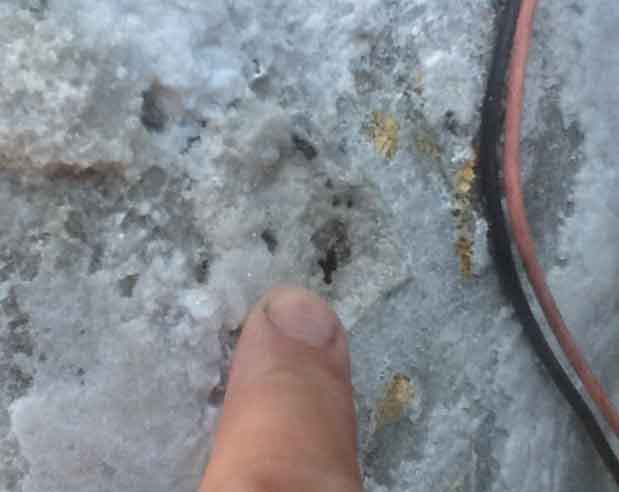
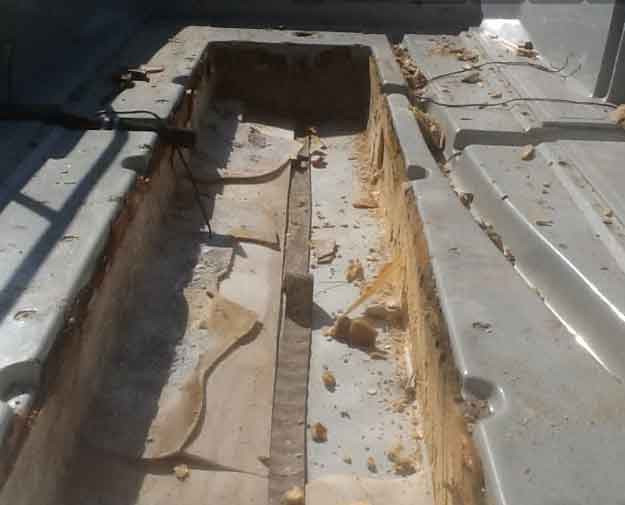
My restoration was full in that I intended from the start to pull up the floor anyway for an inspection, cleaning, and to replace hoses and ground wires at the least. After the floor was up (very ugly and dirty), I scrubbed. With everything reasonably clean, the tank appeared ok except for some tell tale pock marks where saltwater corrosion had made like small craters in the top of the tank. The tank was thick aluminum and it looked and felt strong in those areas, but those corrosion pocks made me a little curious--enough that I decided to drain the tank, and pull it out for complete checking.
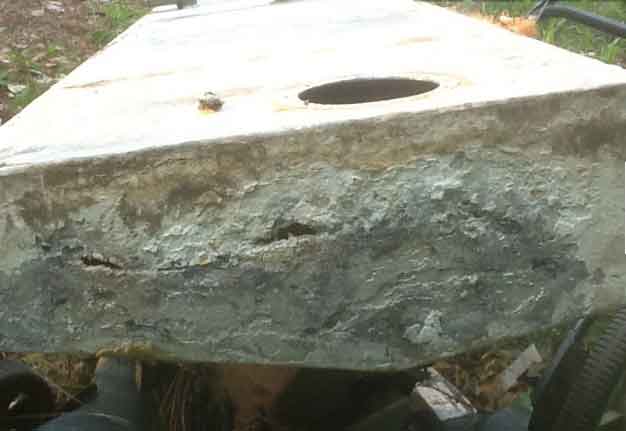
I removed the round access port on the rear top of the tank and looked inside to see fairly shiny but some dirt and some water.
Now here's the revelation: once I got it out, I found white, chalky corrosion stuff from the tank edge against the foam, and plenty of holes--clear through. It appeared Whaler's foam was the only thing keeping the gas from getting loose in the tank hold area. Wow, what a mess. And was I lucky and fortunate to find this. Horrible. I scrapped the tank (for $50 at recycle place), and bought a new one custom-made to original specs by Carr Industries. Outstanding workmanship. Expensive, but worth every penny to me. Shipped by truck.
Be sure to check your hoses. If it were me I'd replace ALL of them with the right USCG-approved type, and also look at the ground wires, and replace new with the right stuff. You should be able to gain access to all of these things by using the round access hole ports.
I have tons of photos I can share if you wish. I'll post a few here. If you want more, simply email me and I'll fill up your inbox.
In my opinion gasoline is nothing to play with. Check out the tank and hoses carefully, and be sure everything is as safe and proper as you can make it. If your boat hasn't seen heavy saltwater like mine, the tank could be ok, but you want to be sure.--Mav
[NOTA BENE: Mav--I reworked all the images you uploaded --jimh]
- This image needs a caption
- 1a.jpg (15.53 KiB) Viewed 9145 times
- This image needs a caption
- 2a.jpg (17.97 KiB) Viewed 9145 times
- This image needs a caption
- 3a.jpg (16.37 KiB) Viewed 9145 times